A coastal sightseeing loop, a school run under a railway bridge, a busy cross-town corridor at 8am: three jobs that look similar from the pavement and demand very different buses. Body style is where that difference lives. Open-top, closed-top and low-height double-deckers share the same basic idea, two floors and one driver, but they trade capacity, route access and passenger comfort against one another in ways that show up every single day.
Start With the Route, Not the Roof
It is tempting to fall for a shape first and then try to make the route fit it. Do it the other way round. Walk or drive the route with a notebook and record the things that will actually decide the specification: the lowest bridge or tunnel on the line, the height of the depot doors, tree canopies along the avenue, car park barriers at the terminus, and the steepest gradient. Then write down the passenger job. A commuter corridor that needs fast boarding and standing room is a different animal from a leisure loop where the journey is the product.
Once those two lists exist, one of the three body styles usually eliminates itself.
Open-Top Designs: Views Over Volume
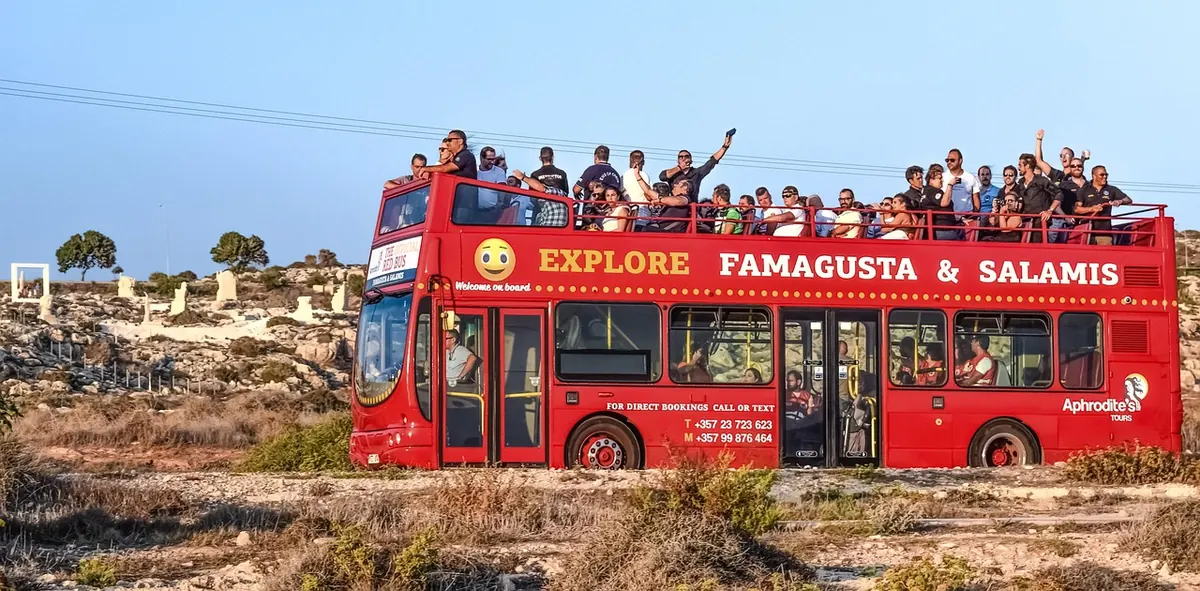
Open-top buses come in two main flavours. A full open-top has no roof over the upper deck at all; a partial open-top keeps a covered section, usually at the front over the staircase and sometimes at the rear, with the middle exposed. The lower deck stays fully enclosed in almost every case, which is what makes the vehicle usable on a wet Tuesday.
Capacity is where the compromise bites. On most double-deckers the upper deck is seated only, and an open top is no exception, so you are counting seats rather than area. A sightseeing-specification two-axle open-top typically carries somewhere in the region of 60 to 80 passengers, and the practical number on a rainy day drops close to the lower deck alone. That is fine for a 45-minute city loop. It is not fine for a route where 90 people expect to board in ten minutes.
Where open-top works best
- Hop-on hop-off tourist circuits and seafront promenade routes
- Event shuttles, parades, weddings and private hire
- Scenic park-and-ride services where the view is part of the pitch
Passenger experience is the whole point: sun, wind, unobstructed photography and a sense of occasion that a closed roof cannot fake. The trade-offs are real, though. Operators need higher handrails and often restraint or seat-belt provision on the exposed deck, plus a weather plan that keeps drivers and passengers informed. Removing the roof also removes the place where air-conditioning units and some electrical equipment normally live, so equipment has to be re-sited during a conversion. If you are converting an older closed-top bus rather than buying new, that work is structural, not cosmetic.
Closed-Top Designs: The Default for Good Reason
The conventional full-height closed-top double-decker remains the workhorse of urban fleets because it solves the commuter problem. Two axles or three, a low-floor lower deck with wheelchair and pushchair space, generous standing capacity near the doors, and a seated upper deck that absorbs long-distance passengers without stealing space downstairs. A standard full-height bus commonly sits around 4.3 to 4.4 metres tall, with total capacity in the 70 to 90 range depending on length, seating layout and how much standing the operator is licensed for.
The upper deck stays dry, warm and quiet, which matters more than enthusiasts admit. Boarding is quick because passengers can use both decks and both doorways. The penalties are height and weight: that roof structure adds mass high up, so bridge clearances, tree-lined streets and low depot entrances all need checking before the route is signed off. Upper-deck heat build-up in summer is a genuine complaint on older vehicles, and good ventilation or air conditioning is worth specifying rather than hoping for.
Low-Height Designs: When the Route Won't Move
Low-height double-deckers exist for one reason: somewhere on the route there is a fixed obstruction you cannot raise, and a standard bus will not pass under it safely. Manufacturers reclaim height in a combination of ways, including smaller wheels, revised suspension settings, a lowered upper-deck floor, a shallower roof structure, and in older practice a sunken lower-deck gangway that let the upper deck sit lower over part of its length.
Each of those choices costs something. Upper-deck headroom is reduced, sometimes to the point that seats near the stairwell or above the wheel arches are uncomfortable for taller passengers. Lower window lines mean less of a view and less daylight. Aisles and staircases can be steeper or offset, which slows boarding and needs careful signage. Full-height equivalents will always be easier to live with, so treat a low-height bus as a specialist tool for a constrained corridor rather than a general-purpose purchase.
They earn their keep on routes under low railway bridges, through historic town centres, into tunnels and multi-storey interchanges, and anywhere the depot itself is the bottleneck.
Capacity, Route Fit and Passenger Experience Side by Side
- Open-top. Roughly 60 to 80 seats, seated-only upper deck, weather-dependent capacity. Best for leisure loops and event work. Superb views, exposure to the elements, more staff attention needed on the top deck.
- Closed-top. Highest total capacity, typically 70 to 90 including standing on the lower deck. Best for high-frequency urban and interurban work. Consistent comfort in all weather, faster boarding, greater height and weight to manage.
- Low-height. Slightly fewer seats than a full-height equivalent, with some upper-deck compromises. Best for routes with fixed obstructions. Passenger comfort is acceptable but rarely the selling point.
Choose the body style that fits the tightest constraint on the route. Everything else is a preference.
Practical Checks Before You Specify or Convert
- Survey the route properly with a height measuring device rather than relying on old drawings or driver memory, and re-check after resurfacing work.
- Measure depot entrances, wash bays, fuel or charging bays and workshop doors, since a bus that fits the route but not the garage is no use.
- Count the passengers you actually need to move at the busiest ten minutes, not the daily average, and decide how much standing is acceptable.
- Model the weather. If half your capacity vanishes in rain, plan the timetable around the lower deck.
- Confirm which approvals, height limits and restraint requirements apply to your vehicle and route with the relevant licensing authority before committing to a build.
- Think about the second life of the vehicle. Open-top conversions hold value in tourist markets; specialist low-height buses are harder to redeploy.
Matching the Bus to the Route
Most fleets do not need a single answer. A seasonal open-top for the summer circuit, full-height closed-tops for the year-round commuter work, and a small number of low-height buses for the two routes that duck under the bridge is a perfectly sensible mixed fleet. Decide the route first, list the constraints honestly, and let the roof line follow. Buyers working through height, licensing or accessibility requirements should confirm the detail with the manufacturer and their local vehicle authority before signing anything.